

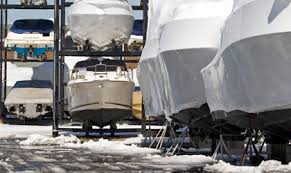
88. ❄️ Winterizing Your Boat: A Complete Guide to Protecting Your Investment
As boating season winds down and temperatures begin to drop, one of the most important tasks for any boat owner is winterizing your vessel. Whether you store your boat on a trailer, in a yard, or in the water, proper winterization protects your engine, plumbing, electronics, and hull from costly damage caused by freezing temperatures.
Failing to winterize properly can lead to cracked blocks, burst hoses, mold growth, and thousands of dollars in preventable repairs. This guide walks you through everything you need to know to prep your boat for winter the right way.
🛥️ Why Winterizing Matters
When cold weather arrives, water trapped in your engine, plumbing, or bilge can freeze and expand. That expansion can cause:
- Engine block damage
- Split hoses
- Damaged pumps & fittings
- Fuel system issues
- Mold and mildew in the cabin
- Gelcoat blisters
Winterizing ensures your boat survives the off-season and is ready to launch smoothly in spring.
🧊 Step-by-Step: How to Winterize Your Boat
1️⃣ Stabilize the Fuel System
Fuel breaks down over time — especially ethanol-blended fuel. Add a marine-grade fuel stabilizer and run the engine for 10–15 minutes to circulate treated fuel through the entire system.
2️⃣ Change the Engine Oil & Filter
Old oil contains contaminants and moisture that can corrode internal parts over the winter. Always change the oil after your last run of the season while the engine is warm.
3️⃣ Flush and Winterize the Cooling System
Depending on your engine type:
- Freshwater-cooled enginesCheck coolant level
- Add antifreeze if needed
- Raw-water-cooled enginesDrain the system completely
- Pump non-toxic marine antifreeze through the engine until it exits the exhaust
This prevents freezing and protects internal corrosion surfaces.
4️⃣ Fog the Engine
For gasoline engines, fogging oil protects internal cylinders and prevents rust. Spray fogging oil into the carburetor or intake while the engine is running, then shut it down with a heavy fog.
Diesel owners: consult your manufacturer — many diesel engines do not require fogging.
5️⃣ Drain and Protect the Plumbing System
Any water left onboard can freeze. This includes:
- Freshwater tanks
- Showers
- Sinks
- Toilet (head)
- Raw-water washdowns
- Livewells
Pump non-toxic antifreeze through all lines until it reaches every faucet and drain.
6️⃣ Take Care of the Batteries
- Fully charge your batteries
- Disconnect or remove them
- Store in a cool, dry location
- Use a trickle charger or maintainer
Healthy batteries last longer and avoid sulfation issues.
7️⃣ Clean and Protect the Interior
Mold and mildew thrive in closed spaces. Before sealing the boat for winter:
- Remove all food and linens
- Clean with mild detergent
- Leave moisture absorbers like DampRid or charcoal bags
- Open interior cabinets for airflow
8️⃣ Cover Your Boat Properly
A good cover prevents:
- Snow accumulation
- UV damage
- Rodents and debris
- Water pooling
Choose either:
- A custom canvas cover, or
- Professional shrink-wrapping for maximum protection
Ensure proper ventilation to prevent mildew.
❄️ Should You Winterize If Your Boat Never Leaves the Water?
Yes. Even boats stored in-water during winter must be winterized. Engines, generators, heads, and AC systems can still freeze. Plus, cold weather and condensation can damage batteries and electronics.
💵 What Does Winterizing Typically Cost?
Depending on boat size and engine type:
- DIY: $100–$300
- Professional winterization: $400–$1,500+
- Shrink wrap: $15–$25 per foot
Compared to a cracked engine block ($4,000–$20,000), winterizing is cheap insurance.
🧑✈️ Not Comfortable Winterizing Yourself?
Many boat owners choose to hire a professional captain or marine technician. BoatNCrew connects you with licensed captains and experienced marine service providers who can:
- Winterize your boat
- Perform end-of-season maintenance
- Haul out and transport your vessel
- Monitor it through the winter
- Prepare it for spring launch
🌅 Final Thought
Winterizing your boat isn’t just a seasonal chore — it’s a critical step in protecting your investment, extending your engine’s life, and ensuring your spring launch goes smoothly. With the right preparation and attention to detail, your boat will rest safely through the winter and be ready for another season on the water.