
105. ⚓ Why “Free” Does Not Mean Low Quality in Marine Hiring
In marine hiring, there’s a deeply ingrained belief that you get what you pay for. So when a platform offers free access for mariners, it’s natural for some people to wonder:
Does free mean lower quality?
In reality, when it comes to marine hiring, the opposite is often true.
⚓ Where the “Free = Low Quality” Myth Comes From
In many industries, free platforms earned a bad reputation because they became flooded with:
- Incomplete or low-effort profiles
- Unqualified applicants
- Little accountability
- Poor structure
That experience trained people to associate price with quality.
But marine hiring doesn’t work like retail or social media — and it never has.
🌊 In the Marine World, Quality Comes From Experience — Not Fees
A mariner’s quality is determined by:
- Licenses and endorsements
- Sea time
- Vessel types and sizes operated
- Routes and conditions sailed
- Professional references
- Reputation earned over time
None of these improve because someone paid a subscription.
A credit card doesn’t make a better captain.
A paywall doesn’t create seamanship.
🧭 Paywalls Filter Wallets, Not Talent
When platforms charge mariners to participate, the filter isn’t quality — it’s affordability.
That means:
- Highly capable but independent mariners get excluded
- Freelancers and seasonal crew are disadvantaged
- New professionals with strong training face barriers
- Opportunity shifts away from merit
From an employer’s perspective, this shrinks the talent pool before vetting even begins.
Free access does the opposite — it widens the pool so hiring decisions are based on qualifications, not payments.
⚓ A Captain’s Perspective: Why BoatNCrew Exists
BoatNCrew wasn’t created in a boardroom — it was created from lived experience on the water.
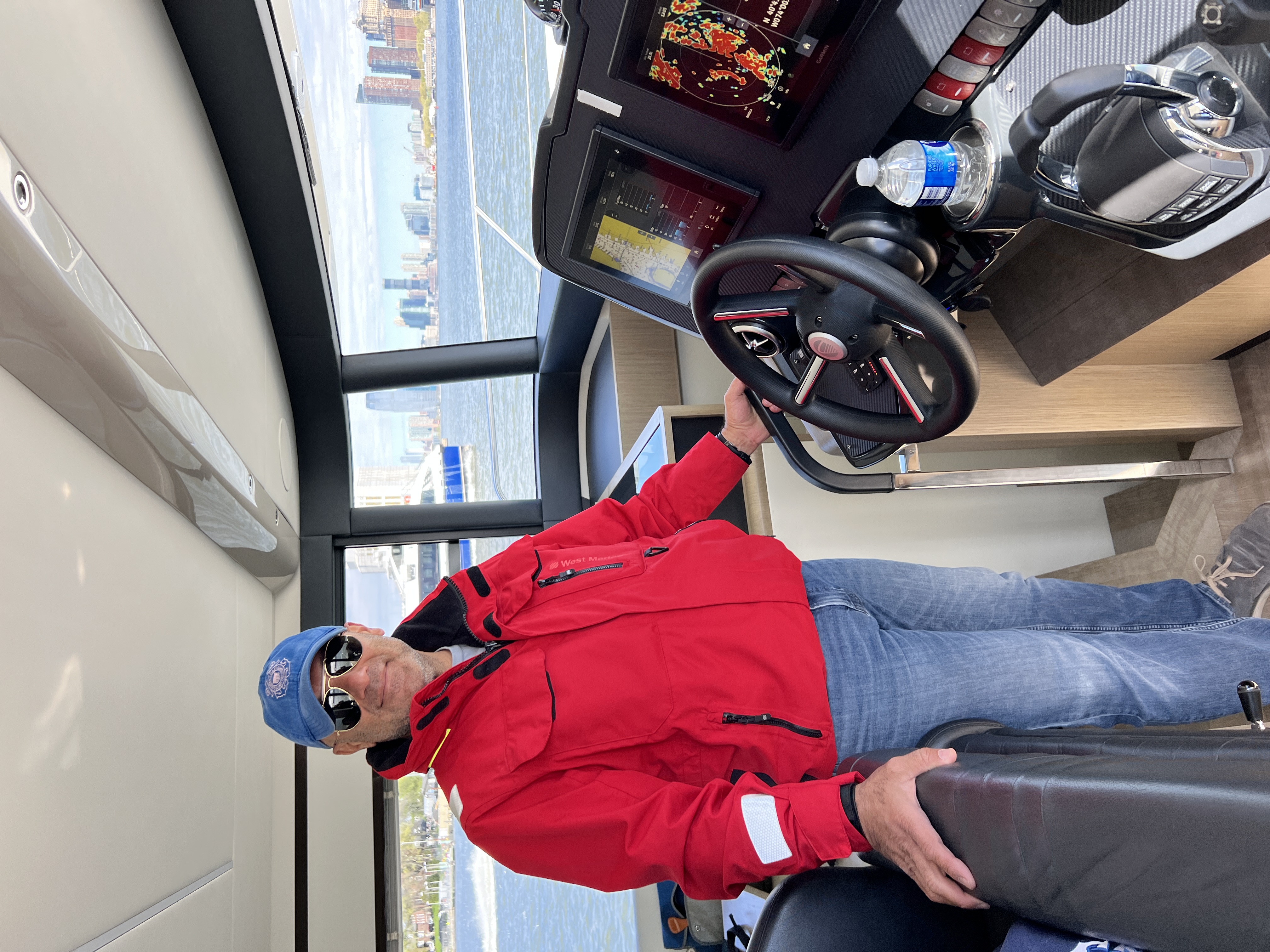
As a working marine captain, I spent years using existing marine job platforms. Over time, subscription fees increased year after year, while the tools themselves didn’t meaningfully improve. Access to opportunity became more about maintaining a paid membership than demonstrating experience, professionalism, or reliability.
That disconnect was the turning point.
Marine hiring should never reward who pays the most. It should reward who is qualified, prepared, and professional. A paywall doesn’t make a mariner better — it just limits who gets seen.
That’s why BoatNCrew was built differently.
🔍 How Quality Is Maintained Without Charging Mariners
BoatNCrew focuses on structure and clarity, not fees, to support quality hiring:
- Role-specific profiles (captains, crew, marine pros)
- Clear license and experience fields
- Resume and document uploads
- Direct communication with employers
- Optional verification tools for those who want them
Mariners are evaluated on what they’ve done — not what they’ve paid.
⚓ Employers Still Vet — and That’s a Good Thing
No legitimate hiring process should be automatic.
Responsible employers will always:
- Review resumes
- Verify licenses
- Check references
- Conduct interviews
Free access doesn’t remove vetting.
It simply ensures access to opportunity comes before evaluation, not after payment.
🌍 Why Free Platforms Often Attract Stronger Professionals
Many experienced mariners actively avoid pay-to-play systems. They prefer platforms that:
- Respect the profession
- Don’t monetize access to work
- Focus on transparency
- Let experience speak for itself
When a platform aligns with those values, it naturally attracts professionals who take their careers seriously.
🧠 Free Access + Optional Verification = The Right Balance
The strongest hiring ecosystems combine:
- Open access to opportunity
- Optional professional verification
- Clear expectations and accountability
This approach keeps doors open while still giving employers tools to identify candidates who go the extra mile.
⚓ The Bottom Line
In marine hiring, free does not mean low quality.
Quality comes from:
- Experience
- Training
- Reputation
- Professional conduct
Not from a subscription fee.
Platforms that remain free for mariners often create better hiring outcomes because they prioritize merit over money and access over exclusion.
That’s not lowering standards.
That’s building a fairer, stronger marine industry.