
22. VHF Radio Basics: What Channel Should You Be Monitoring?
Why VHF Radio Still Matters
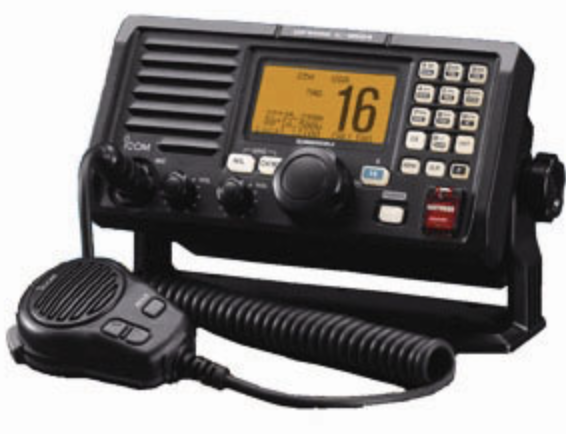
Even with modern navigation systems, VHF radio remains the most important communication tool on the water. It is often the fastest way to reach nearby vessels or the U.S. Coast Guard in an emergency.
Channel 16 — The One Every Boater Should Monitor
All boaters should monitor:
👉 VHF Channel 16 (156.8 MHz)
This is the international distress, safety, and calling channel.
Used for:
- MAYDAY (distress calls)
- Urgent safety broadcasts
- Initial hailing between vessels
Reference:
USCG Navigation Center
https://www.navcen.uscg.gov/vhf-radio
Failing to monitor Channel 16 means you may:
- Miss a distress call nearby
- Miss safety broadcasts
- Be unreachable in an emergency
Channel 13 — Important in Busy Harbors
If your vessel is equipped with AIS and you are operating in congested areas like New York Harbor, you should also monitor:
👉 VHF Channel 13 (bridge-to-bridge communications)
Used by:
- Commercial vessels
- Tugs and barges
- Ferries
- Large traffic coordination
Monitoring Channel 13 improves awareness and helps avoid close encounters.
Best Practice
- Monitor Channel 16 at all times
- Use Channel 13 in high-traffic areas
- Switch to working channels when communicating
Professional operators connected through BoatnCrew.com are expected to maintain proper communication standards. Vessel owners hiring captains may also verify credentials through SeaCred.com.